Recovery Strategies
Purpose, Importance & Versatility
1. What is the purpose of a recovery protocol and use of these strategies?
A recovery protocol provides athletes with a deliberate, structured approach to restoring both body and mind after training or competition. Recovery is not simply “resting.” It is an active phase in which your body:
- repairs tissue damage
- replenishes energy stores
- balances hormonal, nervous-system, and immune systems
- readies itself for the next performance
By using specific strategies — such as enhanced blood flow, soft tissue work, self-massage, stretching, mobility drills, activation exercises, and recovery technologies — athletes support the physiological and psychological processes that lead to adaptation, improved performance, and injury prevention.
In short: The recovery protocol makes sure that what you do outside of workouts still contributes to your athletic development.

2. Why is a recovery protocol the most important part of your performance training program?
A performance training program is built on three elements: stimulus (work), adaptation (recovery), and progression (more work). Without effective recovery, the stimulus cannot convert into adaptation — you end up accumulating fatigue, risking injury, and limiting long-term gains.
High-performing athletes and coaches understand that smart recovery is not optional — it often makes the difference between consistent improvement and plateau/breakdown.
With a proper recovery protocol, you show up to practice, competition, and training sessions prepared, not just physically present. Over time this helps build durability, resilience, capacity for more training, and ultimately long-term athletic success.
3. Can these strategies be utilized to prepare you for your performance training program as well as games and practices?
Absolutely. These recovery strategies aren’t just for after the training — they can also function as preparation tools to ensure your body is in optimal condition going into training, games, or practices. Because these strategies influence circulation, tissue quality, nervous system readiness, and mental state — using them proactively means you enter your session with a higher baseline.
For example:
- Improving blood flow and doing soft tissue work ahead of time primes the muscles and joints.
- Mobility activations and low-intensity neuromuscular work ensure movement patterns are ready.
- Addressing mental and physical soreness before you start reduces risk of entering compromised.
So yes — the same recovery mechanisms you use after a session also serve you in “ramping in” to the next one, ensuring you perform and recover better.
Key Recovery Strategies
Below are the main strategies that form the backbone of our recovery protocol:
- Blood flow / circulation enhancement (e.g., cardio, blood-flow restriction)
- Soft tissue / self-massage / trigger-point therapy
- Stretching (static, PNF, dynamic)
- Mobility work (joint control: CARs / PAILs / RAILs)
- Activation (isometrics, low-intensity neuromuscular work)
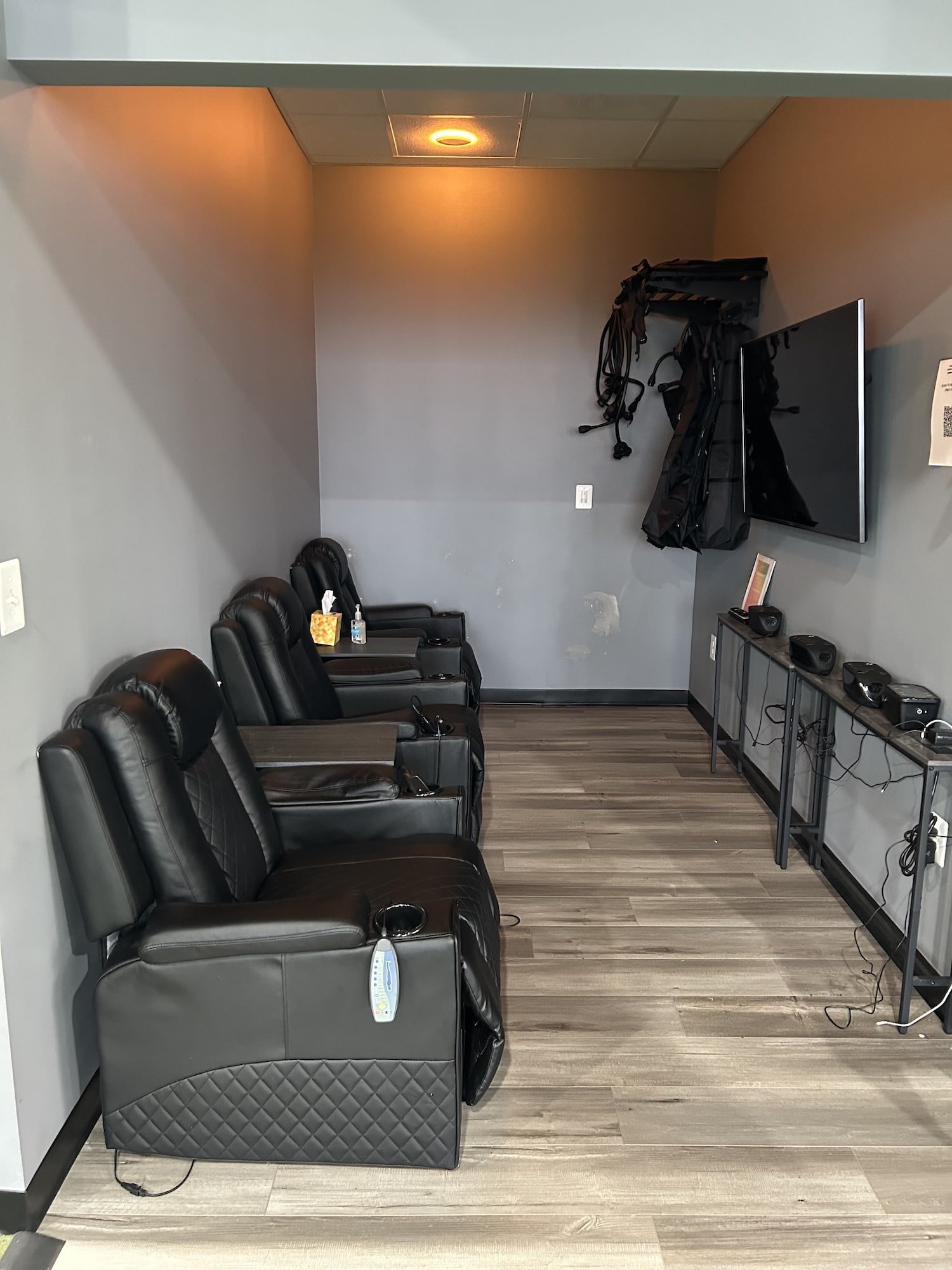
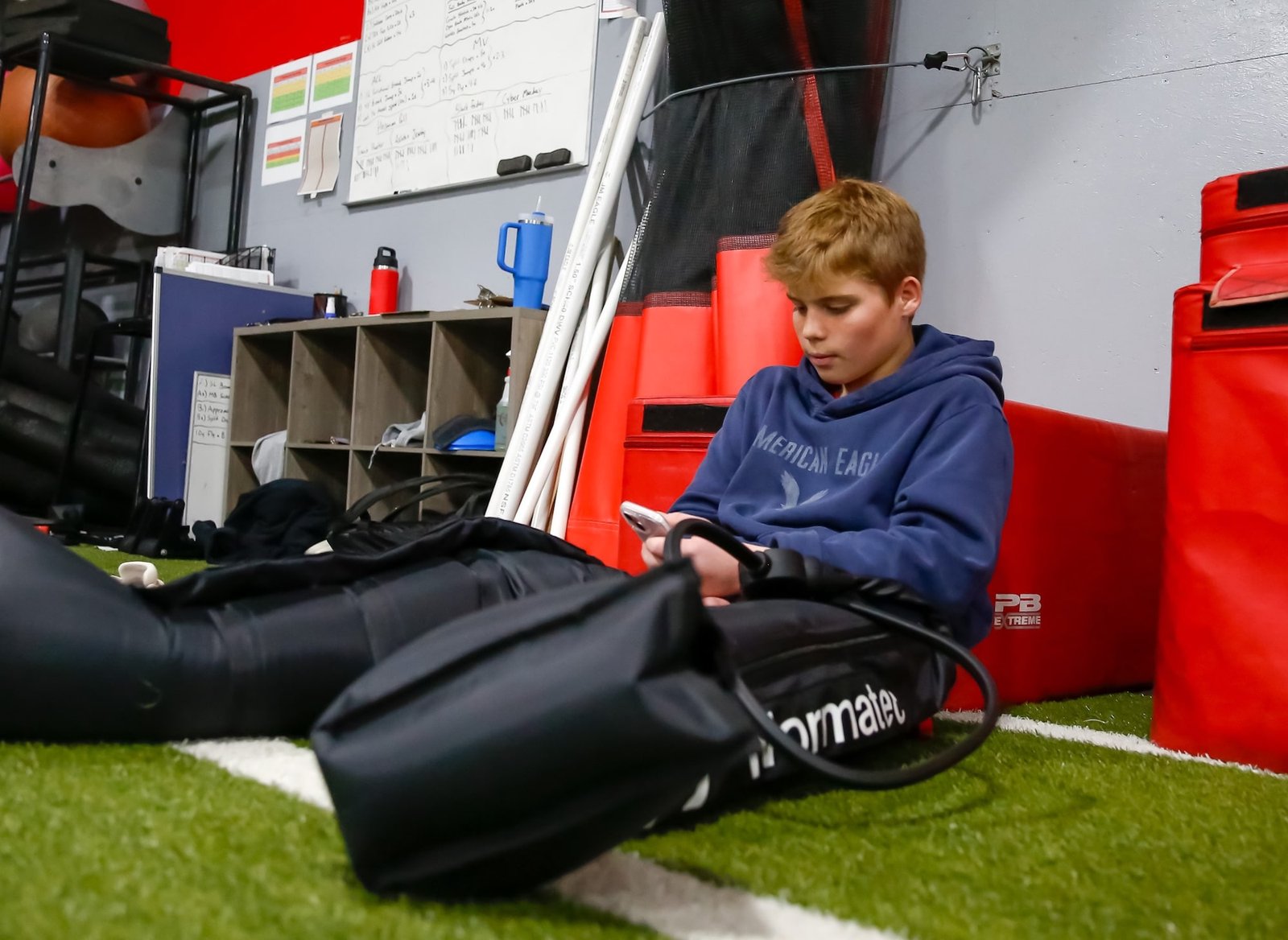
- Recovery technologies & relaxation (e.g., compression boots, massage chairs)
Ready to elevate your recovery game?
Speak with a coach at Elite Athlete Training Services today to build your personalized recovery approach — because what you do after training matters just as much as what you do during it.